Back to Blog
Why Every Coach Needs a Mentor
By Brendan•
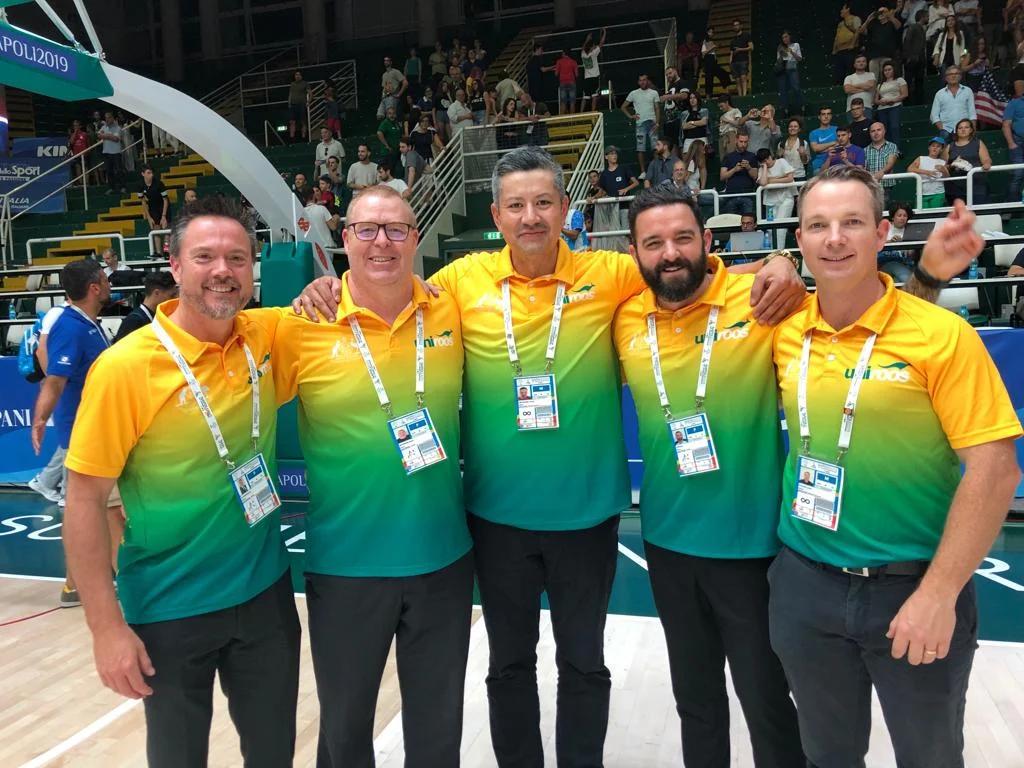
I started coaching state representative teams at 19 years old. I had energy, passion, and absolutely no idea what I was doing. What saved me — and what ultimately shaped my entire career — was having mentors who invested in me.
In 1993, I was a Scholarship Coach at the Australian Institute of Sport. That's where I met Adrian Hurley, Patrick Hunt and Guy Molloy — three coaches who fundamentally shaped how I think about the game and about coaching.
Adrian didn't just teach me basketball. He taught me how to see the game differently. How to build a program, not just run a practice. How to think about player development as a long-term investment, not a short-term project.
Patrick taught me about building relationships with players. How to communicate with players and how to deal with difficult situations.
Guy showed me what relentless preparation looked like. He was meticulous, detail-oriented, and never satisfied with "good enough." Working alongside him for many years, he set a standard that I've carried through every coaching role since.
Mentorship isn't about having someone tell you what to do. It's about having someone who:
Challenges your thinking when you get comfortable
Shares their mistakes so you don't have to make the same ones
Holds you accountable to the standards you've set for yourself
Opens doors you didn't even know existed
When I moved to the NSW Institute of Sport in 1997 as the inaugural head coach, I was stepping into unknown territory. But I wasn't alone. The network of mentors and colleagues I'd built gave me the confidence and the frameworks to succeed.
This is why I built the Centre of Excellence. Over the past 30 years, I've mentored 100's of coaches. I've seen the difference that quality mentorship makes — the difference between a coach who burns out after a few years and one who builds a lasting career.
The coaches who succeed long-term aren't always the ones with the most knowledge. They're the ones who are willing to learn, willing to be vulnerable, and willing to seek guidance from those who've walked the path before them.
If you're a coach at any level, I'd encourage you to:
Identify coaches you admire and reach out. Most coaches are generous with their time.
Be specific about what you want to learn. Mentors respond to coaches who are intentional.
Give back. The best mentoring relationships are reciprocal. Share what you know with others.
Join a community. Surround yourself with coaches who push you to improve.
No one reaches the top alone. I certainly didn't. And the sooner you embrace that, the faster your coaching journey will accelerate.
— Bevo